
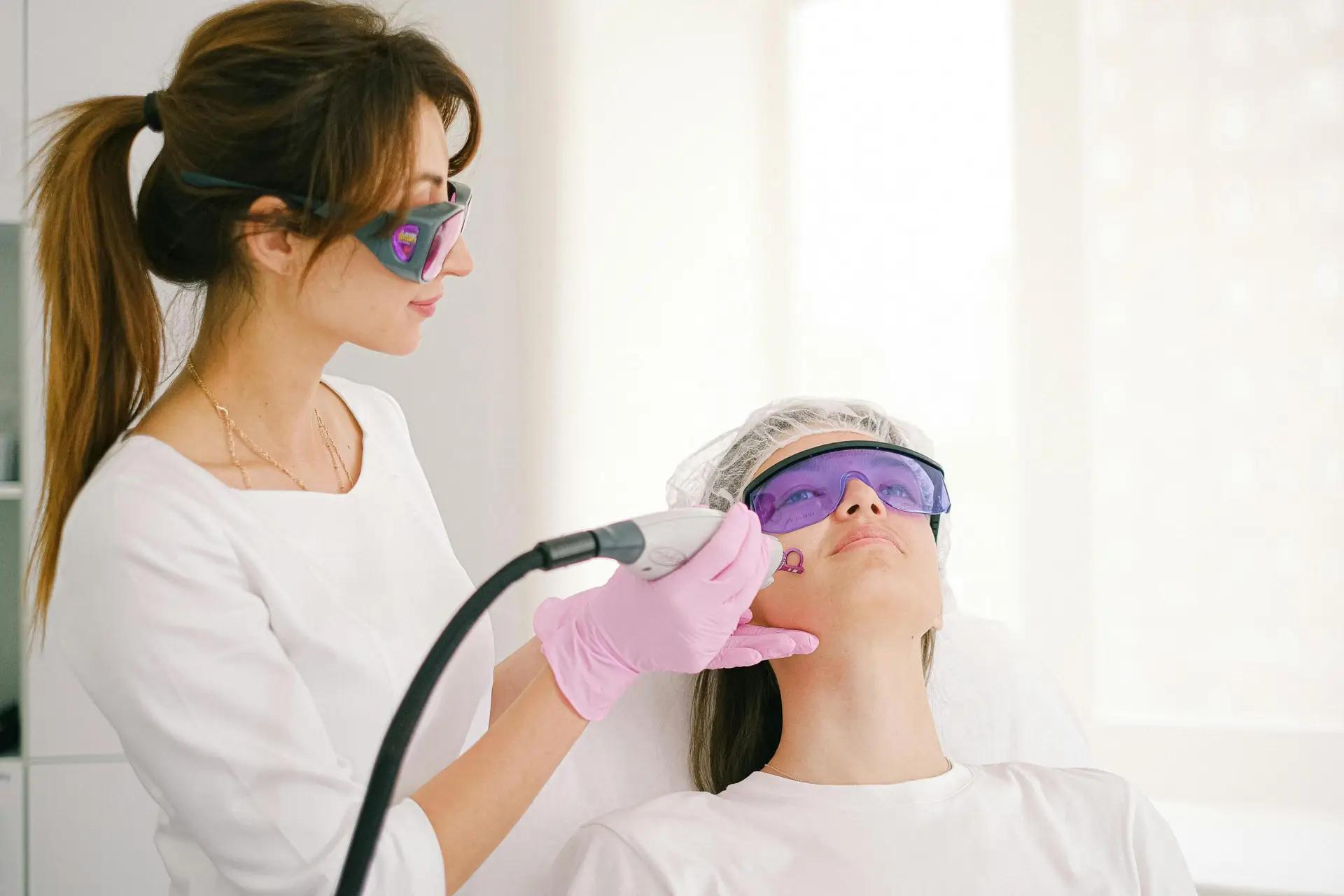
The Ultimate Guide to Non-Invasive Aesthetic Treatments: Revitalize Your Look Without the Downtime
In the not-so-distant past, achieving a significant change in your appearance usually meant one thing: going under the knife. If you wanted a flatter stomach, you booked a tummy tuck. If you wanted smoother skin, you prepared for weeks of recovery following invasive surgery. However, the landscape of the beauty and wellness industry has undergone a radical transformation.
The Ultimate Guide to Non-Invasive Aesthetic Treatments is essential for anyone considering aesthetic enhancements.
Today, we live in the era of the “tweakment.” Non-invasive aesthetic treatments have surged in popularity, offering results that rival traditional surgery with a fraction of the risk, cost, and recovery time. Whether you’re looking to erase fine lines, contour your body, or say goodbye to unwanted hair, there is likely a non-surgical solution waiting for you.
As you explore The Ultimate Guide to Non-Invasive Aesthetic Treatments, you’ll discover options that suit your needs.
In this comprehensive guide, we will explore the world of non-invasive aesthetics, comparing them to traditional procedures and highlighting why they have become the gold standard for modern self-care.
This guide, The Ultimate Guide to Non-Invasive Aesthetic Treatments, aims to inform and empower you.
The Ultimate Guide to Non-Invasive Aesthetic Treatments
Why the Shift Toward Non-Invasive Procedures?
Understanding The Ultimate Guide to Non-Invasive Aesthetic Treatments can help you make informed decisions.
The rise of non-invasive treatments is driven by three main factors: technology, lifestyle, and a shift in aesthetic goals.
-
- Technology: Advances in laser surgery technology and energy-based devices (like ultrasound and radiofrequency) allow practitioners to target deep layers of skin and fat without making a single incision.
For a deeper understanding, refer to The Ultimate Guide to Non-Invasive Aesthetic Treatments.
-
- Lifestyle: In a fast-paced world, few people can afford to take three weeks off work to recover from a surgical tummy tuck. Non-invasive treatments often allow patients to return to their daily routines immediately.
The Ultimate Guide to Non-Invasive Aesthetic Treatments emphasizes the importance of choosing the right procedure.
- Natural Results: Modern patients typically prefer subtle enhancements. Non-invasive options allow for a “gradual glow-up” rather than an overnight, drastic change that might look “overdone.”
Utilizing The Ultimate Guide to Non-Invasive Aesthetic Treatments ensures a smarter approach to beauty.
Laser Hair Removal: The Foundation of Modern Grooming
Laser hair removal is just one of the options discussed in The Ultimate Guide to Non-Invasive Aesthetic Treatments.
One of the most sought-after and successful non-invasive treatments is laser hair removal. For decades, shaving, waxing, and epilating were the only options for managing body hair—all of which are temporary and often painful.
How It Works
Laser hair removal utilizes concentrated beams of light to penetrate the hair follicles. The pigment (melanin) in the hair absorbs the light, which converts to heat and damages the follicle, inhibiting or delaying future hair growth.
Why It’s a Game Changer
- Precision: Lasers can selectively target dark, coarse hairs while leaving the surrounding skin undamaged.
- Speed: Each pulse of the laser takes a fraction of a second. Small areas like the upper lip can be treated in less than a minute.
- Cost-Effective: While the upfront cost is higher than a pack of razors, the long-term savings on waxing appointments and shaving supplies are significant.
Most patients require between 6 to 8 sessions to achieve permanent hair reduction, making it a cornerstone treatment for those looking to simplify their beauty routine.
Body Contouring: The Non-Surgical Alternative to the Tummy Tuck
The Ultimate Guide to Non-Invasive Aesthetic Treatments outlines several methods for effective body contouring.
For many, the midsection is a primary area of concern. Traditionally, a tummy tuck (abdominoplasty) was the only way to address stubborn belly fat and loose skin. While a surgical tummy tuck is highly effective for removing large amounts of excess skin and repairing abdominal muscles, it is a major surgery involving general anesthesia and significant scarring.
For effective results, consult The Ultimate Guide to Non-Invasive Aesthetic Treatments before proceeding.
The Non-Invasive Approach
Non-invasive body contouring treatments, such as Cryolipolysis (CoolSculpting) or Radiofrequency (RF) therapy, offer a different path. These treatments are designed to:
- Freeze Fat: Targeting and killing fat cells through controlled cooling.
- Tighten Skin: Using heat to stimulate collagen production, which firms up the skin over the abdomen, thighs, or arms.
- Muscle Toning: High-intensity electromagnetic energy can stimulate thousands of muscle contractions in a single session, mimicking the effects of months of crunches.
While these treatments won’t replace a tummy tuck for someone with significant skin laxity, they are perfect for individuals near their goal weight who want to “sculpt” their physique without the surgical risks.

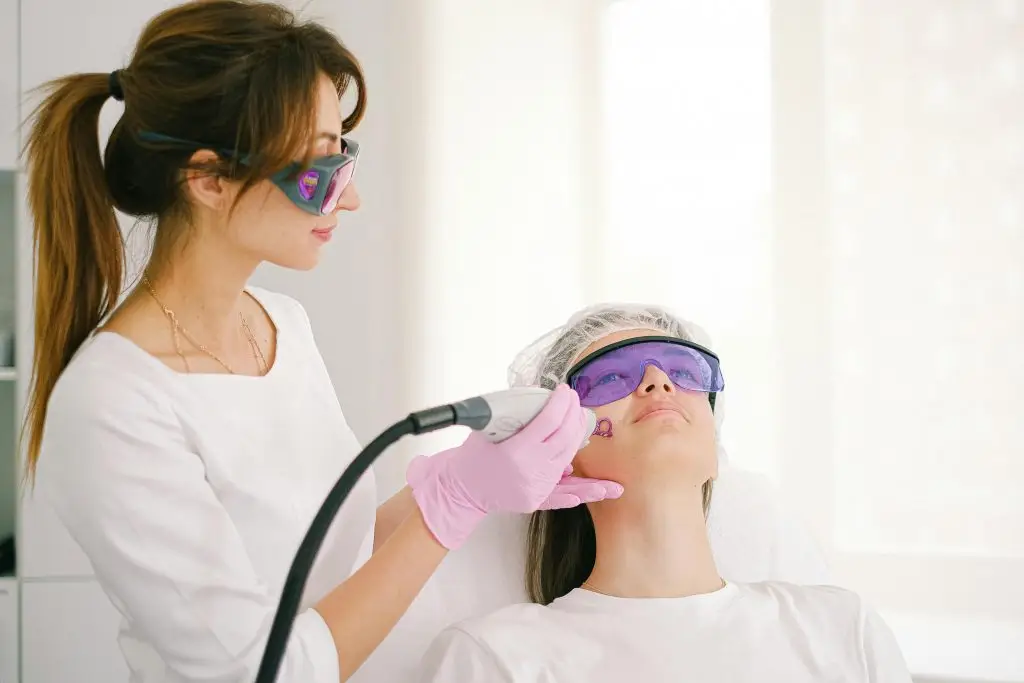
Laser Surgery and Skin Resurfacing
In The Ultimate Guide to Non-Invasive Aesthetic Treatments, we explore various laser surgery techniques.
When people hear the term “laser surgery,” they often think of vision correction. However, in the aesthetic world, laser surgery refers to advanced resurfacing techniques that treat scars, wrinkles, and pigmentation.
Ablative vs. Non-Ablative Lasers
- Ablative Lasers: These remove the outer layers of the skin. They require more downtime but offer dramatic results for deep wrinkles and acne scarring.
- Non-Ablative Lasers: These work by heating the underlying skin tissue without damaging the surface. They stimulate collagen growth and tighten the skin with virtually no downtime.
These treatments are the “holy grail” for anti-aging, as they effectively “reset” the skin’s clock by triggering the body’s natural healing response.
The Power of Injectables: Botox and Fillers
The Ultimate Guide to Non-Invasive Aesthetic Treatments includes insights on injectables.
No discussion on non-invasive treatments is complete without mentioning injectables. Botox and dermal fillers have become household names for a reason.
- Neuromodulators (Botox/Dysport): These temporarily relax the muscles that cause wrinkles, particularly in the forehead and around the eyes (crow’s feet).
- Dermal Fillers (Juvederm/Restylane): These use hyaluronic acid to add volume to sunken cheeks, thin lips, or deep nasolabial folds.
The beauty of injectables lies in their “lunch-break” nature. You can have the procedure done in 15 minutes and go right back to the office, looking refreshed rather than “operated on.”
What to Expect During a Consultation
Consultation is vital, as noted in The Ultimate Guide to Non-Invasive Aesthetic Treatments.
Choosing a non-invasive treatment starts with a professional consultation. Unlike traditional surgery, where the focus is on the “before and after” of a single event, non-invasive aesthetics are often treated as a journey. Your provider will assess:
- Skin Quality: Is the concern texture, pigment, or laxity?
- Medical History: Some lasers or injectables aren’t suitable for individuals with certain conditions or skin types.
- Goals: Managing expectations is key. Non-invasive treatments provide “improvement,” whereas surgery provides “correction.”
Safety and Maintenance
Safety is paramount, as highlighted in The Ultimate Guide to Non-Invasive Aesthetic Treatments.
While “non-invasive” implies a lower risk profile, these are still medical procedures. It is vital to seek treatment from licensed professionals—dermatologists, plastic surgeons, or certified aesthetic nurses—who use FDA-approved equipment.
Furthermore, the results of non-invasive treatments are typically cumulative. Unlike a tummy tuck, which is a one-time event, laser hair removal or skin resurfacing may require multiple sessions and periodic maintenance to keep the results looking their best.
Conclusion
In conclusion, The Ultimate Guide to Non-Invasive Aesthetic Treatments is your go-to resource.
Non-invasive aesthetic treatments have democratized the world of beauty. No longer reserved for the rich and famous or those willing to undergo the trauma of surgery, these treatments offer a safe, effective, and accessible way to look and feel your best. Whether you are seeking the smooth skin of laser hair removal or the refined silhouette once only possible through a tummy tuck, the modern “tweakment” is here to help you achieve your goals with confidence.
Frequently Asked Questions (FAQ)
FAQ sections can also reference The Ultimate Guide to Non-Invasive Aesthetic Treatments for clarity.
1. Are non-invasive treatments painful?
Most patients describe the sensation as a “mild discomfort.” For example, laser hair removal often feels like a rubber band snapping against the skin. Many treatments now include cooling mechanisms or the option of topical numbing creams to ensure patient comfort.
2. How long do the results last?
This depends on the treatment. Botox typically lasts 3–4 months, while dermal fillers can last 6–18 months. Treatments like laser hair removal provide long-term reduction, though occasional maintenance sessions may be needed every few years.
3. Can I get a non-invasive treatment instead of a tummy tuck?
If you have a small “pooch” of stubborn fat, non-invasive body contouring is an excellent choice. However, if you have significant excess skin or separated abdominal muscles (diastasis recti) following pregnancy, a surgical tummy tuck may still be the most effective option.
4. Is there any “real” downtime with laser surgery?
With non-ablative lasers, you might experience some redness (similar to a mild sunburn) for 24–48 hours. With more intensive ablative laser surgery, you may need 5–7 days for the skin to fully heal and for redness to subside.
To learn more, consult The Ultimate Guide to Non-Invasive Aesthetic Treatments for detailed insights.
5. How many sessions will I need for Laser Hair Removal?
Most people require between 6 and 10 sessions spaced several weeks apart. This is because hair grows in cycles, and the laser can only effectively target hair in the “active” growth phase.
6. Are these treatments safe for all skin tones?
Historically, lasers were only safe for light skin with dark hair. However, modern technology (such as Nd:YAG lasers) has made laser hair removal and other skin treatments safe and effective for patients with deeper skin tones. Always ensure your provider has experience with your specific skin type.